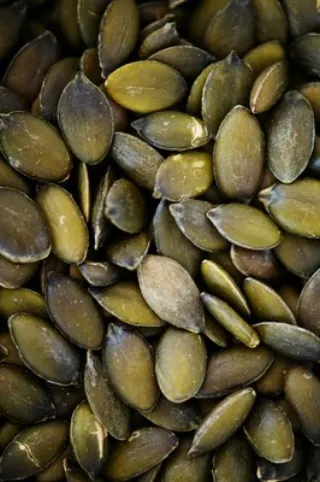
Pumpkin seeds
8,8 mg
per 100 g
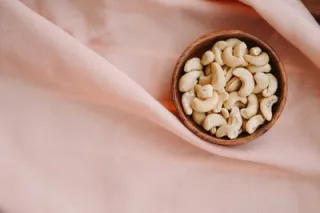
Cashews
6,7 mg
per 100 g
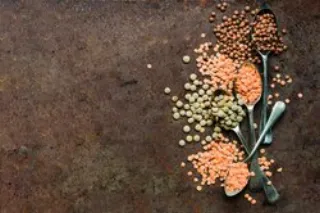
Lentils
6,5 mg
per 100 g, dried
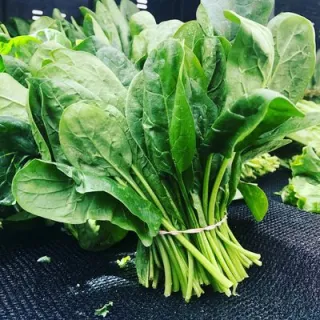
Spinach
3,6 mg
per 100 g, raw
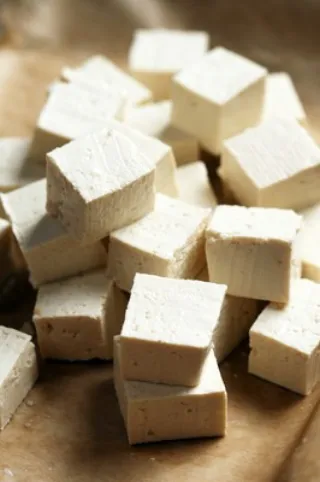
Tofu
2,4 mg
per 100 g
You eat pretty healthily. Salads, chicken, fruit. You feel fine, mostly.
But if someone asked how much zinc you ate last week, you genuinely wouldn't know. Almost nobody would.
The information is all out there. It's just not in a form anyone can use.
Try looking it up
Search for foods high in iron and you'll get a list of fifty things. Lentils, spinach, red meat, pumpkin seeds, tofu, dark chocolate. All correct. None of it gets you any closer to dinner.
Because the list doesn't say how much iron you need, or how much of it you already had this week, or how much of any of those foods you'd have to actually eat.
Look at the row above. Lentils are listed at 6.5 mg per 100 g, which is true of dried lentils. Cook them and the same official table says 3.3 mg, because they've absorbed water. Nobody eats 100 g of dried lentils. So which number were you supposed to use?
It gets worse when you ask "enough for whom"
There isn't one answer, and the reasons are more interesting than you'd expect.
EFSA puts absorption of haem iron, the kind in meat, at about 25%. Non-haem iron, the kind in lentils and spinach, is a moving target. For someone with low iron stores, EFSA calculates 9.2% from a standard Western diet, 7.1% from a meal containing inhibitors, and 11.8% from one containing enhancers.
Same food. Same person. The absorbed amount moves by two thirds depending on what else is on the plate.
Zinc goes further than that. EFSA doesn't publish one zinc requirement, it publishes four, because phytate in whole grains and legumes binds zinc and reduces how much of it you absorb. Depending on how much phytate someone eats, the recommended intake for women runs from 7.5 to 12.7 mg a day. Same nutrient, same body weight, nearly double the requirement, decided by the rest of the diet.
Some of it isn't about you at all. Selenium intake varies across Europe because the soil does. Two identical meals in two countries are not the same meal.
The honest part
Here's the part that doesn't get said often enough: for most nutrients, a reasonably varied diet covers it. The list of things genuinely worth watching is short, and it's a different short list for different people.
Which makes the real question much smaller and much more answerable. Not "am I getting everything", but "which two or three things, given how I actually eat, are worth paying attention to". That's a question with an answer. It's just not one a search engine can give you, because the answer depends on your body, your diet, and what you ate on Tuesday.
So the gap isn't knowledge
Everything above is public. Published, peer-reviewed, free to read.
The gap is between that and standing in your kitchen at six in the evening deciding what to cook, with half an onion and some rice, having not thought about zinc once all week.
Nobody closes that gap by reading more. It closes when the knowing happens somewhere else, and what reaches you is just dinner.
Four things worth knowing anyway
None of these need an app, a tracker, or a spreadsheet. They're small mechanical facts about how food behaves, and they hold whatever else you do.
Something acidic helps plant iron along. Vitamin C in the same meal counteracts the phytates and tannins that otherwise bind iron. Hallberg's absorption studies put the useful amount at around 50 mg per main meal, which is less food than it sounds like.
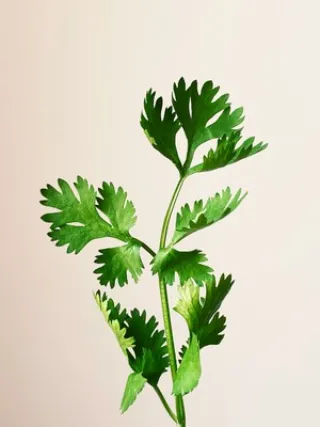
Parsley
177 mg
per 100 g
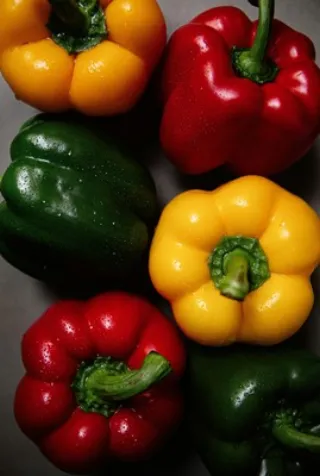
Bell pepper
121 mg
per 100 g
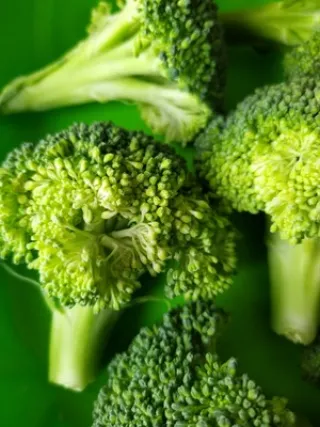
Broccoli
106 mg
per 100 g, raw
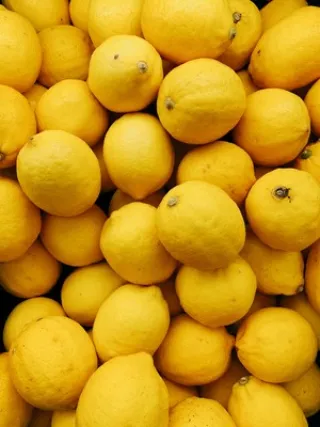
Lemon
45 mg
per 100 g, pulp
Some vitamins need fat to get in at all. Vitamins A, D, E and K are fat-soluble, so a salad of raw vegetables eaten with no oil hands over less than the same salad with dressing. Cooking and chopping helps too, by breaking down the plant cell walls that hold beta-carotene in.
Soaking and fermenting change what you absorb. The phytate that suppresses zinc is reduced by soaking, sprouting or fermenting grains and legumes. It's why soaked chickpeas and sourdough are not nutritionally identical to the versions that skipped those steps.
Boiling pours part of it down the sink. Thiamine and potassium are water-soluble and leach into the cooking water. Steaming, or keeping the liquid and using it, keeps what boiling throws away.
And the habit from earlier: whenever you meet a per-100 g figure, ask whether it means the food dried or cooked. That one question survives every label you'll ever read.
Which is what Anovi is for
It keeps track of the part you can't reasonably be expected to: what you've eaten, what your body needs given your age and your goals, and what that means for the week ahead.
Then it hands you meals. Not a nutrient report to interpret, not a list of fifty foods. Meals, built around what's already in your kitchen, that happen to close the gaps you had.
When something does deserve your attention, it says so in food terms, with a real portion attached, rather than leaving you to convert milligrams into dinner.
That's the gap. And that's exactly what Anovi was built to close.
Figures in this article are published values from the CIQUAL and USDA food composition tables and from EFSA's scientific opinions, each linked where it appears. They describe foods, not people, and no part of this is individual advice.