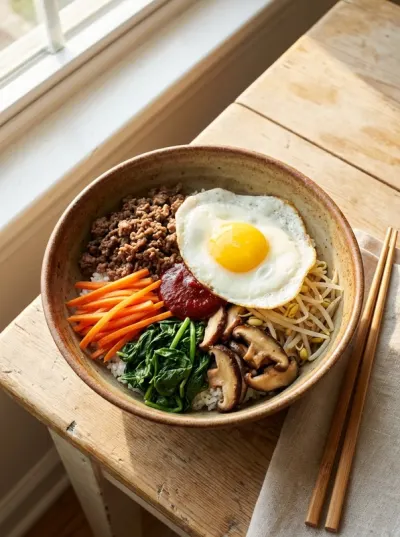
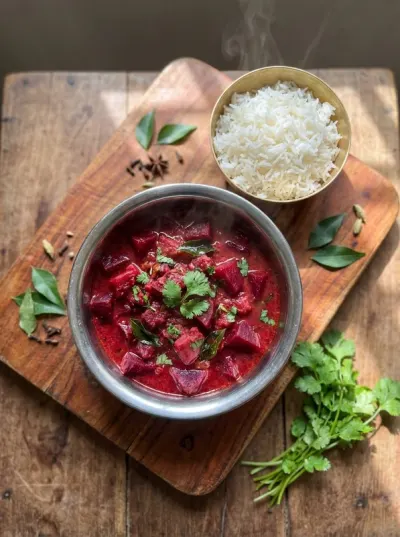
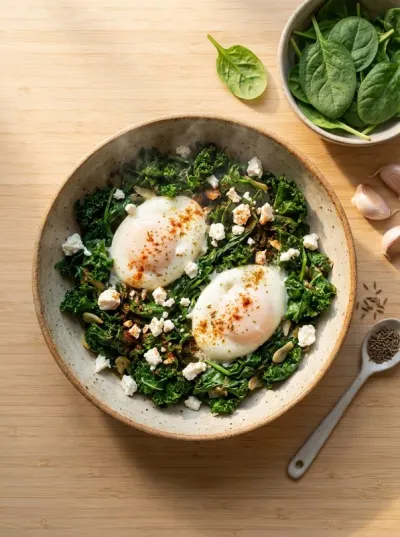
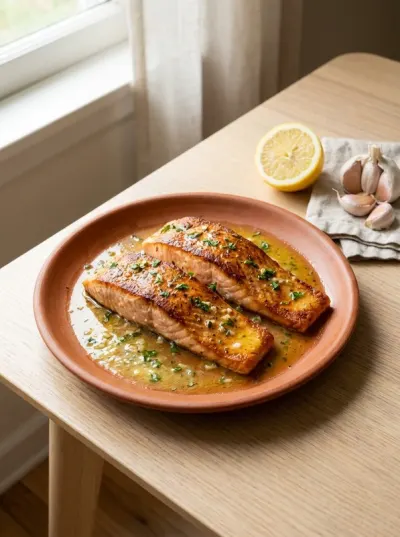
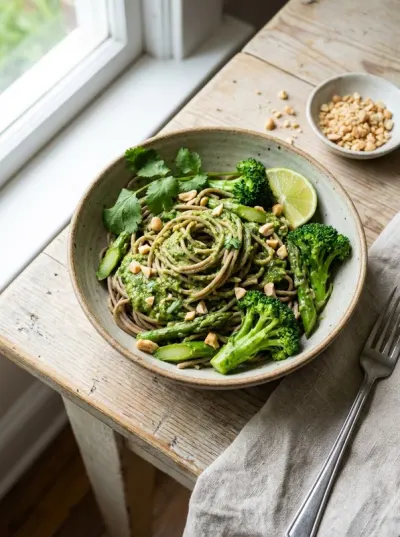
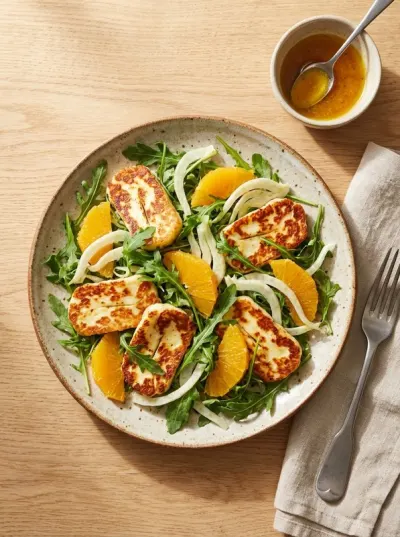

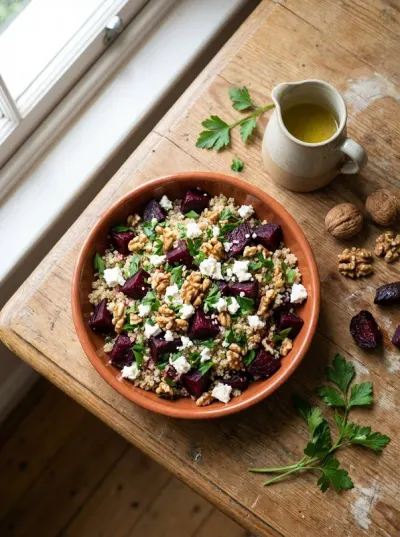
Think back to last week. What did you have for dinner on Tuesday?
If you had to guess, you'd probably guess right. Most of us cook the same nine or ten meals on a loop. Nobody decided on those nine. They're just the ones we ended up knowing by heart.
And there is nothing wrong with that. Nine meals you can put on the table on a weeknight, without looking anything up, is a good thing to have.
How we all end up here
It's six in the evening. You're hungry, a bit tired, and someone needs feeding in the next half hour.
Cooking something new means finding a recipe, reading it properly, checking what's in the cupboard, spotting the one thing you don't have, and deciding whether that thing is worth going out for.
Cooking something you know means opening the fridge.
Given the same evening, anyone would make the same choice. The loop is simply the path of least resistance, and it wins most Tuesdays.
What you're missing out on
Here's the part nobody really explains.
Food isn't simply healthy or unhealthy. Different foods bring different things, and those things do different jobs in your body.
Iron helps carry oxygen around your body, and helps with tiredness. Magnesium supports your nervous system and how you feel day to day. The omega-3 in oily fish supports the normal working of your heart, at around 250 mg a day.
That isn't us being poetic. Each of those effects is one the EU has authorised for that specific nutrient, on the basis of EFSA's assessments. They belong to particular nutrients rather than to "eating healthily" in general.
It gets more interesting. Iron from a steak is absorbed at about 25%. The same iron from lentils or spinach lands closer to 9%, and a squeeze of lemon helps it along while a cup of tea with dinner works against it.
So nine meals on repeat isn't bad for you. It's just the same nine answers, week after week. Cook something different and you hand your body something different to work with. That's the honest reason variety is worth anything at all.
Which is why "try harder" never worked
Nobody reading this is short on willpower. What's missing is someone to do the annoying part. The finding, the checking, the deciding at six o'clock.
Take that away and variety stops being a chore. It just shows up.
Three cheap ways to widen it
None of this needs an app. It's mostly about changing one thing rather than everything.
Change what's underneath, keep the recipe. The same curry over a different grain is a different meal nutritionally, and it costs you one decision at the shop rather than an evening of learning something new.
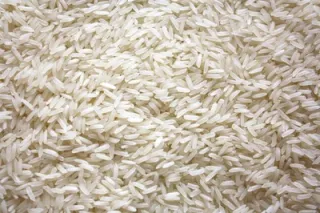
White rice
31 mg
magnesium per 100 g

Brown rice
118 mg
magnesium per 100 g
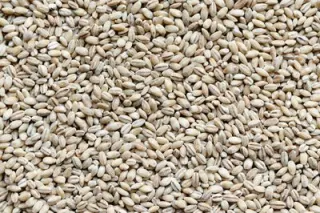
Barley
133 mg
magnesium per 100 g
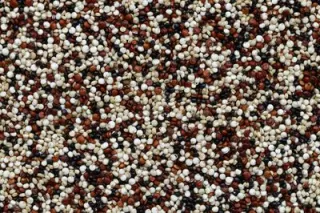
Quinoa
197 mg
magnesium per 100 g
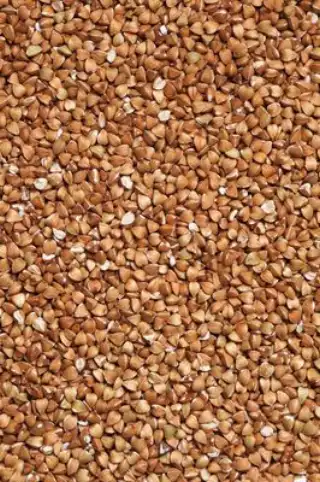
Buckwheat
231 mg
magnesium per 100 g
With vegetables, colour is the shortcut. "Eat vegetables" isn't really an instruction. Carrots hold about 8,290 µg of beta-carotene per 100 g and red cabbage holds 2.5. Kale has 145 mg of vitamin C and carrots have 2. No single vegetable covers the ground, and colour is a decent proxy for which one covers what.
You only have to change one thing. A new recipe is a whole chain of decisions. Swapping the grain, or the vegetable, or the tin of beans is a single one. That's why base swaps actually happen and "cook something new tonight" mostly doesn't.
Where Anovi comes in
This is the part Anovi quietly takes over.
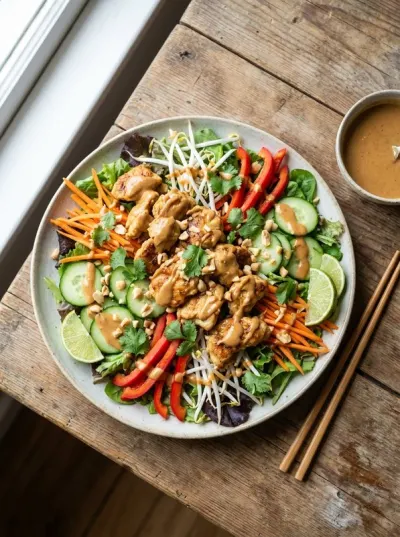
When it builds your week, it's keeping track of more than calories. It remembers what you've been eating lately, so the same dishes don't come back around too soon. It watches how the week is spread across ingredients, so you're not leaning on chicken every night or rice underneath everything. It leaves room for things you've never cooked before. And it does all of that while still working around your goals, your allergies, and what's already sitting in your kitchen.
Poultry
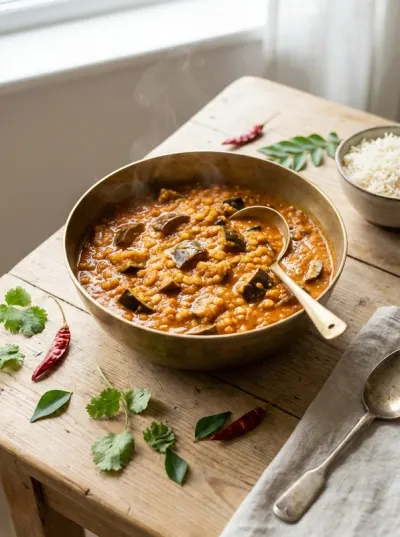
Lentils
Fish
Tofu
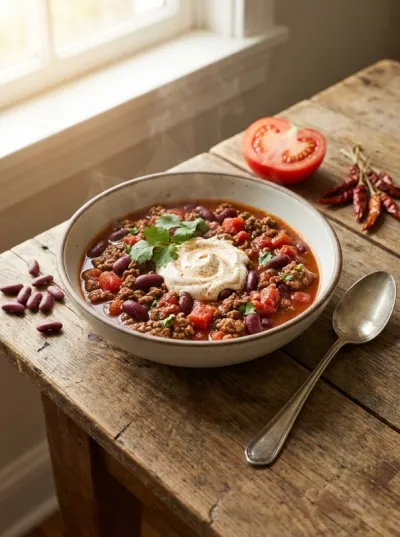
Beef
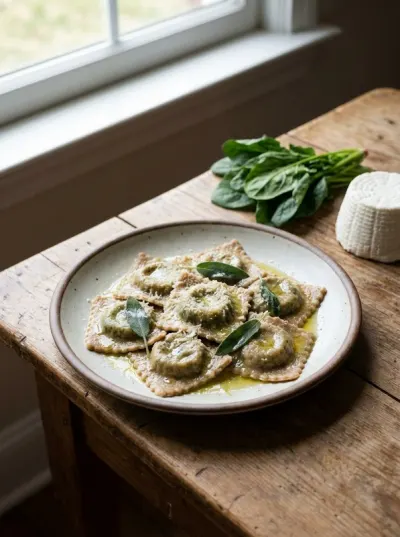
Cheese
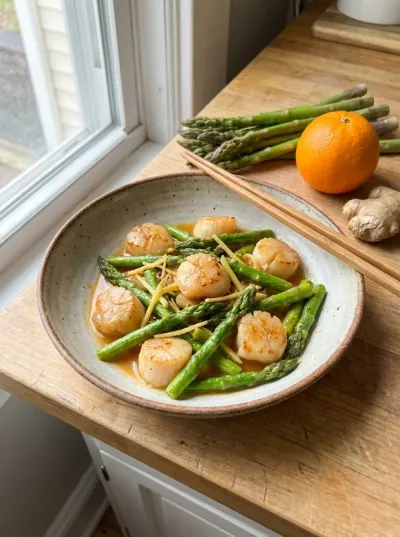
Shellfish
You stay in charge of it. Each time you plan a week you can say what you're in the mood for, chicken or salmon or something without meat, and the plan works around that instead of arguing with you.
And if you eat meat or fish, part of your week still comes out plant-based without you having to ask for it. If you're vegetarian or vegan, that's simply how every week gets built in the first place.
And you can swap anything you like. If this is a week where you want the same three dinners you always make, that's a perfectly good week.
Variety was never about discipline.
It's just more of your food doing more different things for you, and it only works when somebody else has already handled the boring part.
Nine meals is plenty. Twenty is more interesting.
Nutrient figures here are published values from the CIQUAL food composition table. Each effect described is one authorised in the EU for that nutrient on the basis of EFSA's assessments, written here in everyday language. They describe foods, not people, and no part of this is individual advice.