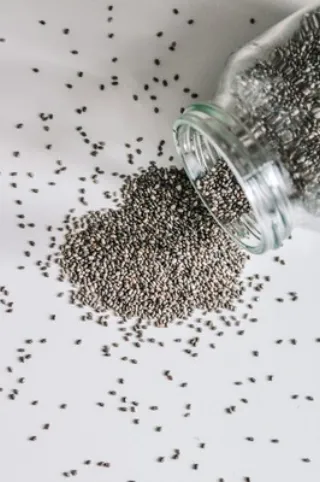
Chia seeds
17,8 g
ALA per 100 g, dried
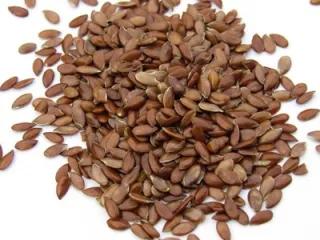
Flax seeds
16,7 g
ALA per 100 g, dried

Rapeseed oil
7,54 g
ALA per 100 g
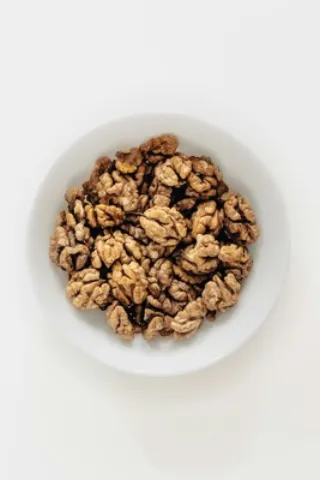
Walnuts
7,5 g
ALA per 100 g
Buy anything with omega-3 on the label and you'll notice the label never says which one.
That matters more than it sounds, because omega-3 isn't one thing. It's three, they come from different foods, and your body treats them differently.
Three fats, one name
ALA is the plant one. Flax, chia, walnuts, rapeseed oil. It's an essential fatty acid, meaning your body cannot make it and has to get it from food. The EU recognises one effect for it: it contributes to maintaining normal blood cholesterol levels, at 2 g a day.
EPA and DHA are the marine ones. Oily fish, and algae, which is where the fish get them from in the first place. Together they contribute to the normal function of the heart, at 250 mg a day. DHA on its own contributes to maintaining normal brain function and normal vision, at that same 250 mg.
Your body can turn ALA into EPA and DHA. That's the part that makes the single word on the label feel justified. The catch is how much of it actually makes the journey.
The conversion is small, and it depends who you are
This is where the single word on the label really falls apart, because the conversion rate isn't one number. It's at least two.
Researchers traced it by feeding people carbon-labelled ALA and following where it went. In young men, conversion to EPA was limited and DHA never showed up at all across three weeks of measurement. The authors concluded that for men, getting DHA ready-made from food may be critical.
In young women the same method found something quite different: 21% converted to EPA and 9% to DHA. The gap is thought to come from oestrogen acting on the enzymes involved, which would make it a useful adaptation for pregnancy.
On top of that, ALA and the omega-6 in sunflower and corn oil compete for the same enzymes. A diet heavy in one leaves less capacity for the other.
So of the 17.8 g of ALA in 100 g of chia seeds, how much becomes the form your heart and brain actually use depends on your body and on the rest of your diet. Which is not something any label can tell you.

Sardines
2,67 g
EPA+DHA per 100 g, raw

Mackerel
2,47 g
EPA+DHA per 100 g, raw

Herring
1,75 g
EPA+DHA per 100 g, raw
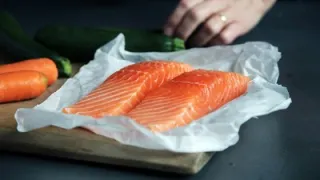
Salmon
1,50 g
EPA+DHA per 100 g, farmed
Which does not make plant omega-3 pointless
This is where most articles on this go wrong, and it's worth being precise.
ALA is not a failed attempt at EPA. It's an essential nutrient in its own right, with its own authorised effect in the EU: it contributes to the maintenance of normal blood cholesterol levels, at 2 g a day. Two tablespoons of ground flaxseed clears that comfortably.
What ALA is not good at is being an efficient substitute for oily fish. If what you're after is EPA and DHA specifically, at the 250 mg a day the EU attaches to the heart claim, and the 250 mg of DHA behind the brain and vision ones, then the conversion route is a slow way to get there.
What to actually do with this
Read past the word "omega-3". A cereal box advertising omega-3 is almost always talking about ALA. That's not nothing, but it is not the same thing as the fish oil claim it's borrowing credibility from.
If you eat fish, the amounts are smaller than you'd think. Oily fish carries so much EPA and DHA that a single portion a week does most of the work. This is not a nutrient you need to chase daily.
If you don't eat fish, ALA won't fill the gap on its own. That goes double for men, where the DHA conversion barely registers. Fortified products exist, enriched eggs and some plant milks among them, and supplements are worth raising with a doctor or dietitian.
Watch the omega-6 balance, not just the omega-3. Since the two compete, cutting back on sunflower and corn oil does as much for your conversion rate as adding more flaxseed does. Rapeseed and olive oil are the easier swap.
And the same habit from the numbers on the back of the pack: check whether a figure is for the food dried, raw or cooked before you do anything with it.
Where Anovi comes in
Anovi tracks ALA and EPA+DHA as separate things, because they are separate things. A week heavy on walnuts and a week with sardines in it don't look the same in your plan, and they shouldn't.
It also knows which recipes carry which, so if your intake of the marine form is running low, what you get is a meal that fixes it, rather than a number telling you it's low.
Omega-3 is also one of the few nutrients that's genuinely hard to cover from food alone, alongside vitamin D, B12 and iodine, so a fish-free week doesn't get marked down for it. You still see the real numbers rather than a softened version, and when the marine form runs low the app points you toward fortified options. So you know both where you stand and what to do next.
Food figures are published values from the CIQUAL composition table. Conversion rates come from the two carbon-tracer studies linked above, both published in the British Journal of Nutrition in 2002. Effects described for a nutrient are ones authorised in the EU on the basis of EFSA's assessments, written here in everyday language. They describe foods, not people, and no part of this is individual advice.